Tyres Europe’s Q2 2026 quarterly report shows truck and bus (TBR) replacement tyre sales climbing sharply, even as agricultural tyre demand continues to soften and import flows shift dramatically in response to new EU anti-dumping duties.
Sales and Imports
According to Tyres Europe, TBR tyre sales rose 13% in Q2 2026 compared with the same quarter last year, taking first-half volumes 7% higher, with freight activity and business sentiment holding up despite ongoing geopolitical pressures and high fuel and energy costs.
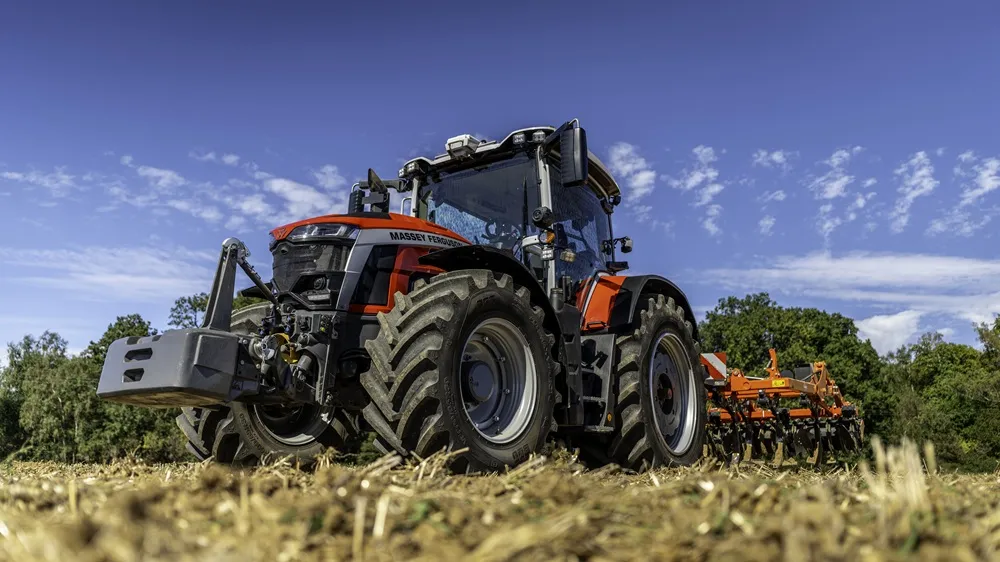
Agricultural tyre sales, on the other hand, declined by 7% in Q2, though this marks a notably slower rate of decline than the 12% drop recorded in Q1, suggesting the segment’s downturn may be easing.
TBR tyre imports into the EU27+UK from non-European markets grew by around 27% in the first five months of 2026. Thailand and Vietnam now account for around 61% of these imports, up from a combined 57% a year earlier and under 30% in 2019, with Thai volumes up 33% and Vietnamese volumes up 38% over the period, according to Tyres Europe.
China’s position weakened despite a 9% rise in its own import volumes, with its share slipping to 16% from 19% in both 2025 and 2019. India’s imports grew threefold, overtaking Egypt and Korea into fourth place with a 6% share, as both of those markets saw declining volumes and eroding share, representing a broader shift in TBR supply towards the ASEAN region and away from established sources like Korea and Japan.
Anti-Dumping Impact
The EU’s anti-dumping investigation into Chinese passenger car and light truck (PCLT) tyres concluded on 7 July 2026, with the European Commission finding that Chinese imports had entered the EU at dumped prices and caused material injury to the domestic industry. Definitive duties of between 4.3% and 45.3% took effect from 8 July for an initial five-year period, without retroactive application.
The market had already started adjusting ahead of the ruling: fearing retroactive duties, importers built up stock through the first three quarters of 2025, when China accounted for 70% of EU imports. As that stockpile unwound, Chinese volumes declined by 57% in Q1 2026 alone, and China’s share of EU27 PCLT imports for January–May 2026 stood at 51%, down sharply from 2025 levels. Other sources grew by around 40% but did not fully offset the decline, leaving total EU PCLT imports down 11% over the five months.