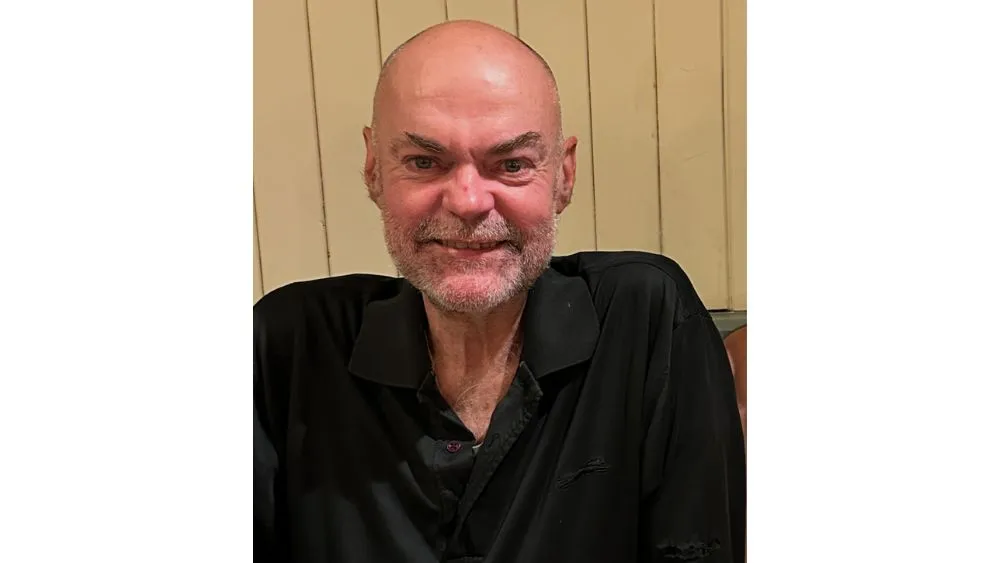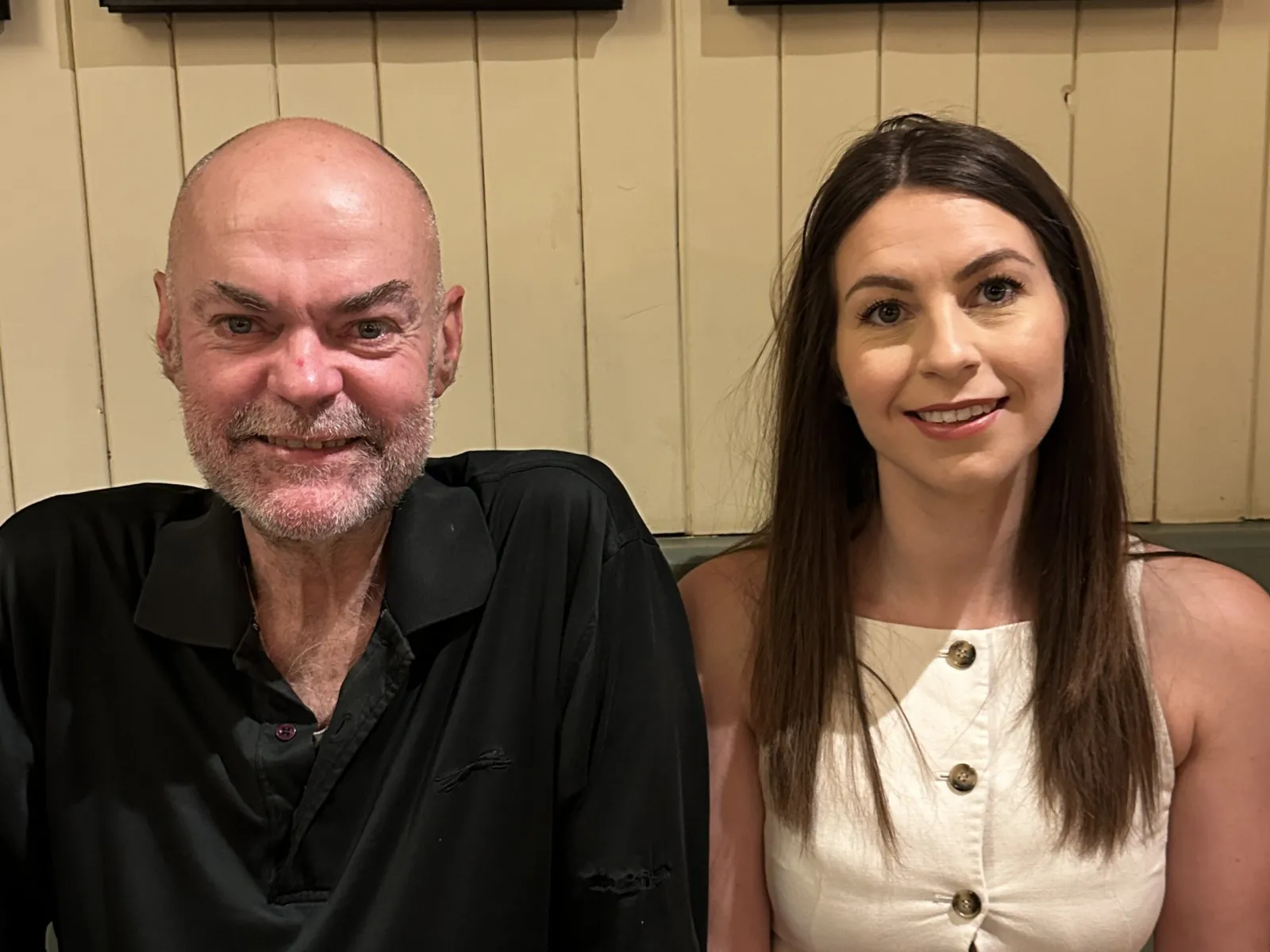
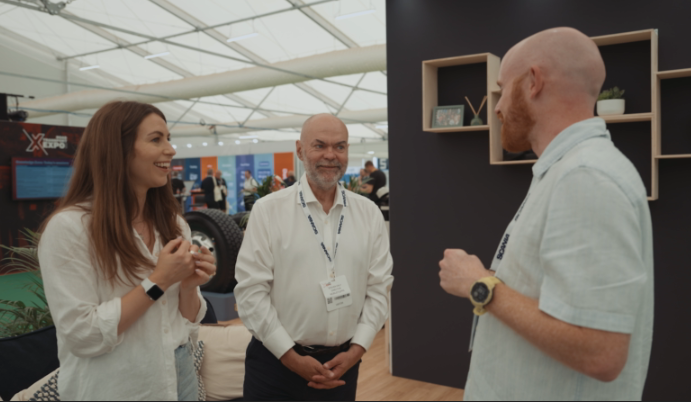
MobileIT@pps is continuing to expand the reach of its TiDaeX platform and e-jobsheet application as it strengthens connections between tyre dealers, manufacturers and breakdown service providers. Speaking to Commercial Tyre Business Editor Richard Wilson at the recent Road Transport Expo in Stoneleigh, Executive Director Steve Daly and Head of Product Development Frankie Sharp outlined how the business is extending its network while preparing its latest generation of digital tools for the commercial tyre sector.
The company has continued to increase adoption of its e-jobsheet platform, which is now used by over 2,200 technicians across the UK and Republic of Ireland. Four new dealers joined the platform during June, bringing the TiDaeX dealer community to more than 117 businesses operating across standalone, integrated and van stock-enabled configurations. According to Daly, the growing network is creating opportunities to expand relationships with manufacturers looking for a digital connection into the independent dealer network.
“Right now, TiDaeX is live linked up to four manufacturers,” he explained. “Most of those agreements are multi-country, and we are looking at a fifth manufacturer joining the party. That will definitely be multi-country.”
He believes the size of the existing technician network has become an important factor in attracting additional partners.
“We’ve got 2,200 fitters on e-jobsheet in the UK, so that’s a pretty good footprint for someone to start with. From a manufacturer’s perspective they’re linking into TiDaeX and we’re doing the heavy lifting for them. We’re the digital hub and that’s the role we play.”
Increased Transaction Volumes
Alongside expanding manufacturer participation, MobileIT@pps continues to see increasing transaction volumes flowing through the platform. Daly revealed that TiDaeX processed just under 200,000 transactions during May, with June on target to exceed 200,000 following the addition of the latest dealer subscribers, as well as expanded usage.
While Daly avoided placing a value on those transactions, he said the figures demonstrate the scale of commercial activity now being managed through the system.
“If you did the calculation, 200,000 deals at whatever value per job represents a lot of transactions. That’s a lot of money that dealers are invoicing customers for.”
New Android version of e-Jobsheet Launched
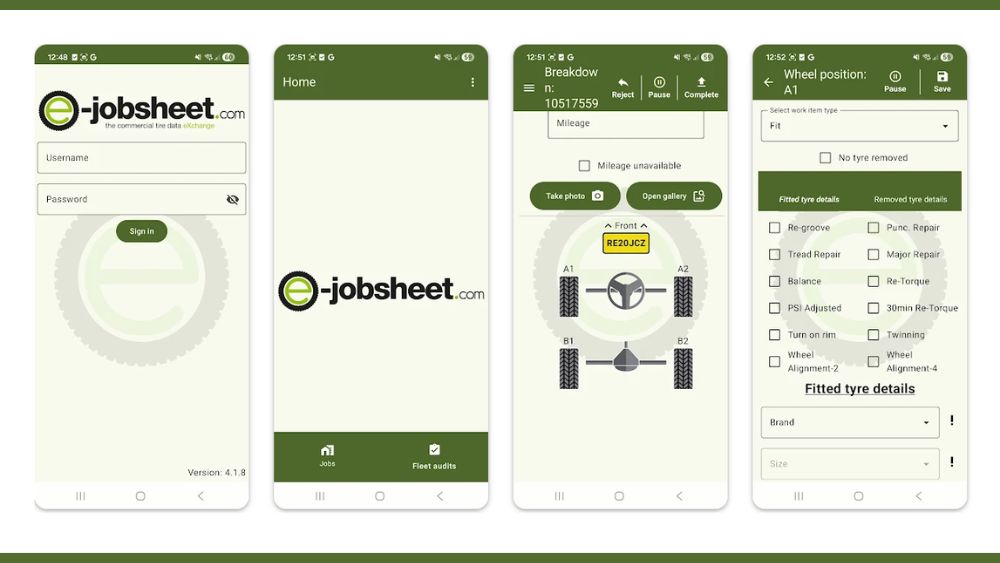
A significant element of MobileIT@pps’ current development programme is the introduction of a completely redeveloped native Android version of e-jobsheet. Rather than redesigning the application from scratch, the company has deliberately retained the familiar workflow while improving performance and creating a platform capable of supporting future technologies.
“We embarked on a journey to redevelop e-jobsheet for a few principal reasons,” Daly explained. “The new app is a bit like the Porsche 911 evolutionary theory. We didn’t want to make it so different from the old version that people throw their hands up in dismay. It’s very much like what subscribing customers have now, but it performs better.”
He added that the redevelopment also provides the technical foundation for future integration with technologies such as TPMS and RFID.
“In native Android we can entertain discussions around things like TPMS integration and RFID integration. It’s building the platform to extend the e-jobsheet lifecycle.”
Greater Control for Dealers
For Sharp, one of the primary objectives of the redevelopment has been to give dealers far greater control over how the application operates within their own businesses.
“One of the main aspects with the previous app was that, although everyone is carrying out similar work, customers wanted greater customisation and flexibility,” she said.
“With the new app we’re no longer dictating what fitters should be doing. We’re giving that ownership back to the dealers/managers.”
Instead of applying one standard workflow to every business and every vehicle type, dealers can now configure the information they require technicians to collect for different types of work.
“If you’re working on a truck, you decide what information you want your fitters to capture. If they’re not capturing that information, you’ve effectively stopped them from completing the job until it’s been recorded. It could then be a completely different set of rules if they’re working on a car or plant equipment.”
The enhanced flexibility extends to mandatory photographs, rejection reasons and other data fields, enabling individual businesses to tailor data capture without affecting other users.
Sharp explained that the approach allows each dealer to determine its own operational requirements while ensuring information required by manufacturers or service partners can still be collected consistently.
Benefits for TiDaeX Users
Daly added that these configurable workflows have wider commercial benefits for manufacturers and breakdown providers using TiDaeX to allocate work.
“The breakdown service provider or manufacturer communicates their requirements through TiDaeX to the dealer. Once those requirements have been met they can set triggers in their systems to say all the rules have been satisfied and, hopefully by extension to pay them straight away. From a dealer’s perspective they’re spending money on this technology, but they’re in turn getting paid quicker.”
The company has also focused on improving usability for technicians working in the field. According to Daly, performance improvements extend beyond the interface itself to the speed at which information is delivered.
“We have improved performance on the app itself. From a fitter’s perspective, they’re getting intel quicker. Data delivery to the fitter is substantially quicker than it used to be.”

As e-jobsheet supports both online and offline operation, reducing download times has been an important part of the redevelopment.
“Because e-jobsheet is an online and offline product, you need to be able to work when you’re not in signal. The download of the data from the manufacturer or breakdown service provider is much quicker than the old version. The technician is not sitting around waiting for that data to upload.”
Migration from the previous application has also been designed to minimise disruption for existing users. Sharp said one large national dealer has already completed the transition, while several others are preparing to move across.
“We’ve kept the overall flow of the app similar to the old one,” she explained. “It doesn’t suddenly require full training sessions for all the fitters. The feedback we’ve had is that it’s really just a few minutes showing people where they now start their work.”
Because the new application uses the same underlying data and user credentials, switching between versions is designed to be straightforward, allowing technicians to complete one day’s work on the existing app before signing into the new version the following day.
Supporting Third-Party App Users
Beyond e-jobsheet subscribers, MobileIT@pps is also evaluating how TiDaeX could support businesses using third-party applications.
Daly explained that while the company remains focused on delivering value for existing subscribers, discussions are underway regarding a transaction-based charging model that would allow external 3rd party applications to connect into the TiDaex network.
“There are players who have invested heavily in their own apps, but equally they probably want to link into TiDaeX so they can receive work from breakdown service providers and complete work for manufacturers.”
He continued: “We’re looking at a transaction fee where, if you’re using a third-party app, you pay on a per-transaction basis. It’s not for now; it’s something for later down the track this year.”
The proposal would allow dealers using alternative software to exchange work with manufacturers and other connected dealers without requiring a full e-jobsheet subscription.
Looking ahead, Daly believes MobileIT@pps’ objective remains consistent: providing a single digital environment that simplifies work allocation, job completion and payment, regardless of who issues the work.
“It doesn’t matter whether you do work for your own fleet vehicles, for a breakdown service, for a manufacturer or a combination of those things,” he said. “The experience for the fitter should be the same irrespective, while the billing, reconciliation and payments should be completely divorced from the fitter’s experience. That’s what we’re trying to achieve.”