In his column, Richard Tawlks, Fleet Mobility Area Manager UK & Ireland, Goodyear, explores how truck fleets can improve tyre safety through consistent monitoring, regular inspections and planned maintenance. He highlights the importance of recognising early signs of tyre deterioration, including pressure loss, physical damage and uneven tread wear and explains how understanding vehicle operating conditions can help fleet operators address recurring issues. By combining these observations and acting on potential problems early, fleets can reduce unexpected downtime, maintain tyre performance and help protect drivers and other road users.
The tyre decisions that keep fleets moving safely
Every truck that leaves a depot carries a commitment. A customer is expecting a delivery, a driver has a journey to complete, and a transport team has planned the day around that vehicle doing its job. Keeping those commitments everyday depends on the vehicle being safe and ready for the road.
Fleet operators work hard to achieve this reliability while controlling costs, managing maintenance and keeping schedules on track. When an unexpected problem takes a truck out of service, the effects reach beyond that vehicle. Plans change, colleagues need to respond and customers may be left waiting. Alongside keeping deliveries on track, tyre manufacturers and fleet operators share a responsibility to help keep drivers and other road users safe.
This is why tyre safety deserves attention well before a vehicle develops a problem on the road. The earlier a concern is understood, the greater the opportunity to address it safely and manage the disruption. For operators, that opportunity to act is valuable.
At Goodyear, developing commercial tyres and helping fleets manage their performance gives us a perspective that extends throughout a tyre’s working life. Tyre design matters, as do the conditions in which it operates and the care it receives. Bringing those considerations together helps operators get dependable performance from the tyres they choose.
Recognising the early signs of tyre deterioration
Some tyre problems develop gradually, with changes that may be difficult to spot during a visual inspection. A slow loss of pressure is one example. The tyre may appear serviceable while operating below its recommended pressure, making measured checks an important part of understanding its condition.
Correct inflation supports tyre performance, life and fuel efficiency. Underinflation can increase fuel consumption, accelerate wear and damage the tyre, while overinflation can also affect performance. Maintaining appropriate pressures helps fleets protect both their tyres and the vehicles that depend on them.

If a tyre repeatedly needs topping up, the cause should be investigated. Restoring the pressure may address the immediate reading without resolving the underlying issue. A qualified technician can assess what is happening and determine the appropriate response.
Looking at readings over time can help make those changes clearer. Monitoring provides additional visibility between inspections, helping identify developing pressure loss and giving operators an earlier opportunity to arrange an assessment. It supports a more informed maintenance decision, particularly when vehicles are spread across routes and depots.
For the fleet, the benefit is greater opportunity to intervene before a developing concern causes further damage or an unexpected stop. That starts with knowing what is normal for the tyre and recognising when something has changed.
Learn from the journeys each vehicle takes
Pressure readings tell part of the story. The physical condition of a tyre also reflects the demands of its working day, from the surfaces it travels over to the manoeuvres it makes.
A truck making frequent urban deliveries encounters different conditions from one covering long motorway distances. Tight access points, repeated manoeuvring and rough surfaces can present different challenges. Tyre selection and maintenance need to reflect the work each vehicle undertakes.
Daily walkaround checks provide an essential opportunity to identify visible damage. Drivers should look for cuts, bulges and exposed cord, as well as objects trapped between twin wheels. Checks need to cover both the truck and trailer, including a trailer that has just been collected. Defects that make the vehicle unroadworthy must be rectified before it is used.
There is also value in looking beyond each individual finding. If similar damage keeps appearing on the same vehicle, or across vehicles doing comparable work, it is worth investigating what they have in common. Reviewing the operating conditions with a tyre specialist can help establish whether changes to tyre selection, maintenance or operating practices are needed.
This gives everyday checks a wider purpose. What a fleet learns from one vehicle can inform decisions elsewhere, helping address recurring causes of damage. Over time, that knowledge builds a clearer understanding of the demands placed on its tyres and how best to manage them.
Making room for planned maintenance
That understanding becomes particularly useful when assessing tread. Tread provides grip and traction, including in wet conditions, and its wear needs to be monitored throughout the tyre’s working life. Regular measurement helps operators understand how much tread remains and how quickly it is wearing.
Keeping track of that progression gives maintenance teams a better basis for planning. They can anticipate when a tyre is likely to need attention and arrange assessment or replacement in good time, taking account of its condition and the work ahead. Of course, any safety concern still requires prompt action.
The way tread wears can be as informative as the amount remaining. Uneven wear warrants investigation, potentially pointing to inflation, alignment or other issues. Considering the pattern alongside pressure readings and the vehicle’s operating history helps a specialist identify the cause and advise on the next steps.
Addressing that cause matters for the next tyre fitted, too. Otherwise, the same problem may continue and lead to further premature wear or disruption. Maintenance findings should help improve the vehicle’s ongoing performance.
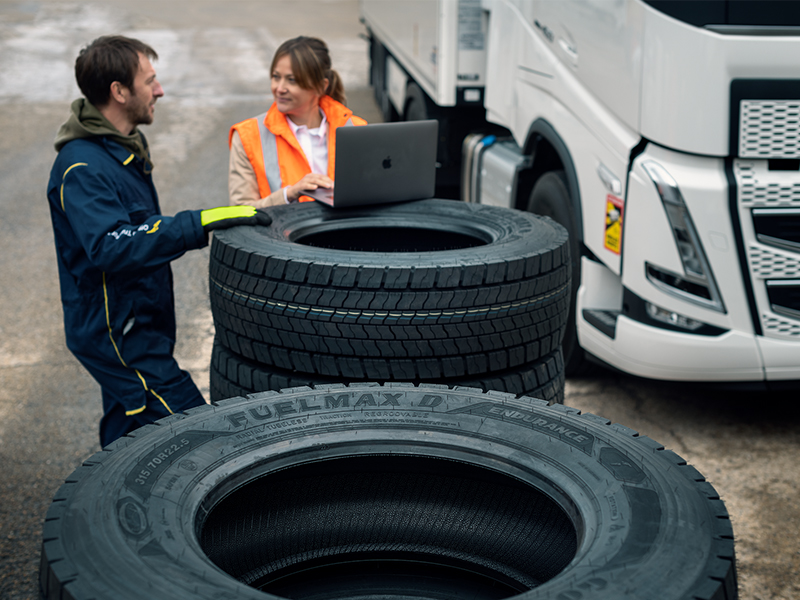
For transport teams, this creates greater certainty about when vehicles will need workshop time. Planned work can be coordinated with the operation, reducing the likelihood that an unresolved issue forces a change of plan at the roadside.
For operators, the opportunity lies in connecting these observations. Pressure changes, physical damage and tread wear each provide information that can guide better decisions about tyre care. Used together, they help fleets understand what needs attention today and what to prepare for next.
Every journey depends on the preparation behind it. Giving tyres consistent attention throughout their working life helps protect drivers and other road users, while enabling fleets to keep the commitments that began when the truck left the depot.