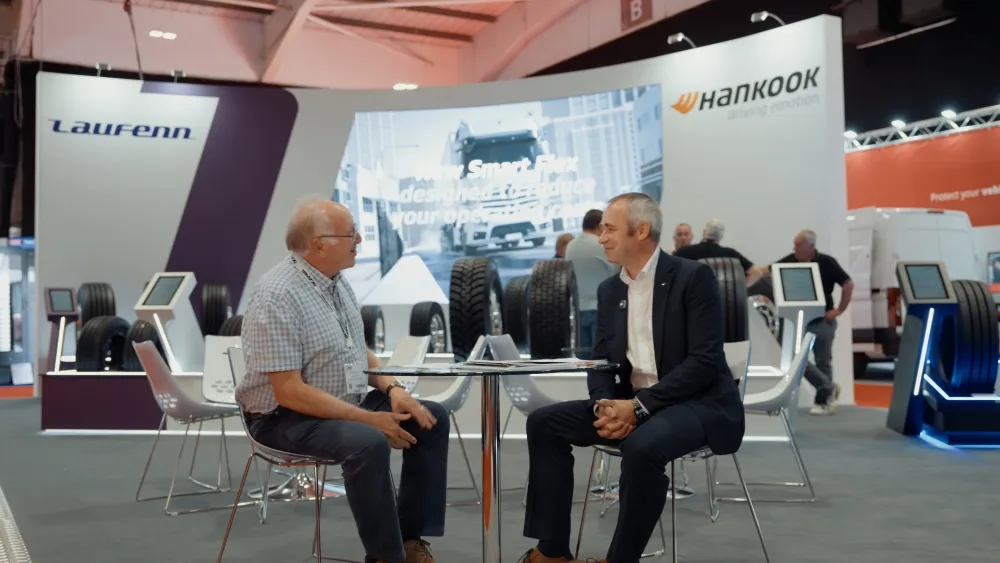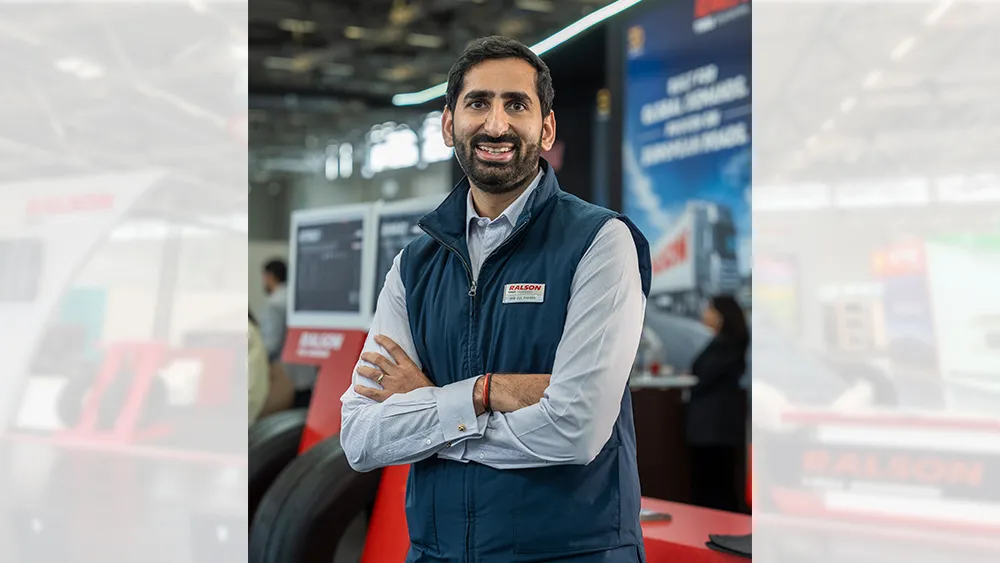
At this year’s tyre exhibition in Cologne, Germany, Indian tyre manufacturer Ralson Tyres Limited made its debut appearance at the event, marking another step in the company’s efforts to strengthen its international presence. During the exhibition, we spoke with Managing Director Manjul Pahwa about the company’s history, its expansion into commercial vehicle tyres, and its plans for future growth.
Background
Ralson Tyres Limited is one of India’s oldest privately owned tyre manufacturers. Headquartered in Ludhiana, Punjab, the company traces its roots back to 1974, when it began producing bicycle tyres and tubes. Over the past five decades, the business has grown from a domestic bicycle tyre producer into a diversified tyre manufacturer serving markets around the world.
Today, Ralson exports products to more than 70 countries and describes itself as India’s largest bicycle tyre manufacturer and one of the world’s five largest producers in that category. Alongside its bicycle tyre operations, the company has expanded into motorcycle, scooter, three-wheeler, e-rickshaw, tractor and light commercial vehicle tyres, while more recently making a significant investment in the truck and bus radial (TBR) segment.
For Pahwa, the company’s history remains central to its identity. He explained that the business was established following his family’s move from Pakistan to India after Partition in 1947, eventually settling in Ludhiana, a city that developed into a major centre for bicycle and two-wheeler manufacturing.
“We started off as a components manufacturer, then got into tyre manufacturing, and now have been manufacturing tyres for more than 50 years,” he said.
The company’s family heritage continues to shape its approach. Pahwa noted that the Ralson name is derived from “Ram Lubhaya and Sons”, referencing his great-grandfather and his two sons. As a result, he said, every tyre produced by the company carries a strong sense of responsibility.
“Every single tyre that we produce carries the family name on it, so it must stand for something, something of high quality and high performance,” he said.
That focus on quality has been a recurring theme in Ralson’s development. The company highlights investments in research and development, advanced tread design, virtual simulation tools and extensive testing programmes, including work conducted at India’s NATRAX proving ground. Manufacturing technologies such as RFID-enabled production processes and nitrogen curing are also employed to improve consistency and efficiency.
Having established a strong position in bicycle tyres, Ralson began expanding into automotive products in 2000. According to the company, this has become one of its fastest-growing business segments, supported by continued investment in manufacturing technology, product development and distribution.
Entry into TBR Market
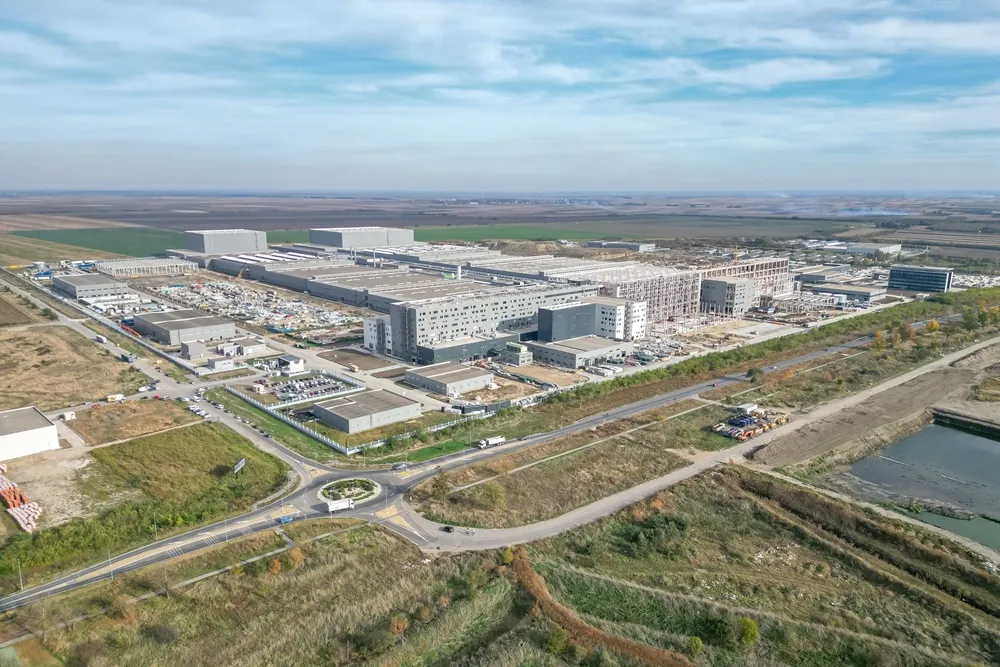
The next major stage of that diversification has been the move into truck and bus radial tyres. Ralson has invested in a modern manufacturing facility in Indore, Madhya Pradesh, which is intended to serve both domestic and export markets.
Pahwa explained that the decision to enter the commercial tyre sector followed the company’s success in two-wheeler tyres.
“We had got to a point where we had more than 50% market share of the organised market in the two-wheeler segment in India. So, we said that it was time to look at other categories, which drove us into the TBR category,” he said.
The company’s commercial vehicle ambitions are increasingly international in scope. Ralson’s truck tyres are already marketed across Europe, North America, Latin America and the Middle East, with Europe representing an important area of expansion.
According to Pahwa, the company initially focused on Central and Eastern Europe before gradually moving westwards.
“We started out in the East, in Poland, Hungary, the Czech Republic, Slovakia, Slovenia, Romania and Bulgaria, and now we are working gradually towards the west,” he explained.
To support this strategy, Ralson is establishing anchor dealers and distributors across key markets. In the United Kingdom, the company works with BA Bush and Sons and sees opportunities to increase its market presence despite ongoing challenges facing the transport and logistics sectors.
Pahwa described the UK as a particularly dynamic market, noting changes in distribution structures as well as wider pressures affecting fleet operators, including fuel costs and driver availability.
Central to Ralson’s commercial tyre strategy is its positioning as a premium performance-focused brand manufactured in India. The company believes that its manufacturing base enables it to offer customers a combination of performance and value.
“It’s meant to be a very premium high-performance product, which was made in India, and therefore we’re able to pass some of the cost advantages to our customers,” Pahwa said. “The idea is to position it in terms of performance alongside the best of the best, while providing more value to customers.”
Beyond product performance, the company is investing in local market support through dealer and distributor partnerships, providing both technical assistance and commercial support to customers in different regions.
Ralson’s product development strategy is also heavily influenced by customer requirements. Pahwa said the company already covers approximately 90% of market demand but remains focused on identifying areas where specialised products can address emerging opportunities.
One such development is a new winter tyre range designed specifically for Scandinavian markets. The products have been developed and are scheduled for testing in Finland before commercial launch.
The ability to respond quickly to changing market requirements is, according to Pahwa, one of the company’s strengths. He said Ralson maintains close contact with customers and can develop products within relatively short timeframes when opportunities arise.
Prominent Presence in Cologne
The company’s appearance in Cologne appears to have reinforced confidence in its international growth strategy. Reflecting on the exhibition, Pahwa described the event as highly productive, highlighting both the volume and quality of conversations with distributors and other industry stakeholders.
“We’ve met all of the right stakeholders. We’ve had a lot of interest from a number of leading distributors, and we’re very excited for what the future holds for us in this market,” he said.
Alongside new product development, manufacturing expansion remains a priority. Ralson’s truck tyre facility in Indore was designed with substantial future capacity in mind. The company recently produced its one-millionth truck tyre and is currently adding further production capacity.
According to Pahwa, the plant was conceived with an ultimate capacity of approximately five million truck tyres annually. Production currently stands at around one million tyres, with an additional million units expected to come online over the next 12 to 18 months.
The company is also emphasising durability and total cost of ownership within its commercial vehicle portfolio. Pahwa noted that Ralson encourages customers to retread truck tyres multiple times, supported by robust casing construction designed for long service life. This approach is intended to help fleet operators reduce operating costs, particularly at a time when fuel prices remain a significant concern.
In addition, Ralson is developing products tailored to emerging vehicle technologies. Among the products showcased in Cologne was a city bus tyre designed specifically for electric vehicle applications. The tyre incorporates a proprietary compound intended to deliver lower rolling resistance while accommodating the higher torque loads associated with electric drivetrains.
As Ralson enters its next phase of development, the company appears focused on transforming itself from a bicycle tyre specialist into a broader global tyre manufacturer. Backed by family ownership, growing international distribution networks, continued investment in manufacturing capacity and an expanding commercial vehicle portfolio, the TBR segment is set to play an increasingly important role in the company’s future growth strategy.