Michelin, as a leading tyre manufacturer has always taken a lead on retreading, either hot or precure, with its own standards and specifications on equipment used and tyres retreaded.
Michelin has a long standing retread operation in the UK
Michelin’s advocacy around regrooving and retreading as a proven way of lowering the cost of tyre ownership via extending the life of commercial vehicle tyres, is both relevant and urgent given that fleets face surging operating costs.
Another significant benefit of adopting a Michelin multi-life policy is its ability to make a significant contribution to not only the bottom line, but in reducing operators’ carbon footprints.
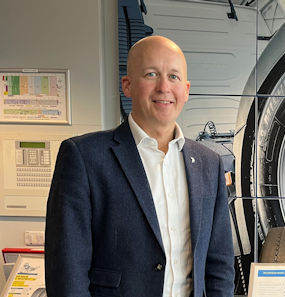
As Andrew French, B2B Sales Director for the UK & Ireland at Michelin, puts it; “Done correctly it’s a virtuous circle for operators – lower tyre costs due to an extended lifespan and a reduced impact on the environment, supporting firms’ green initiatives – so why wouldn’t you adopt a multi-life policy?”.
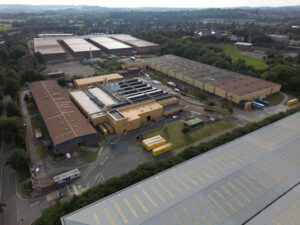
Michelin has been retreading commercial and passenger vehicle tyres at its factory in Stoke-On-Trent in Staffordshire since 1968. Having produced more than 10 million UK retreads to date, the manufacturer is confident that the model works.
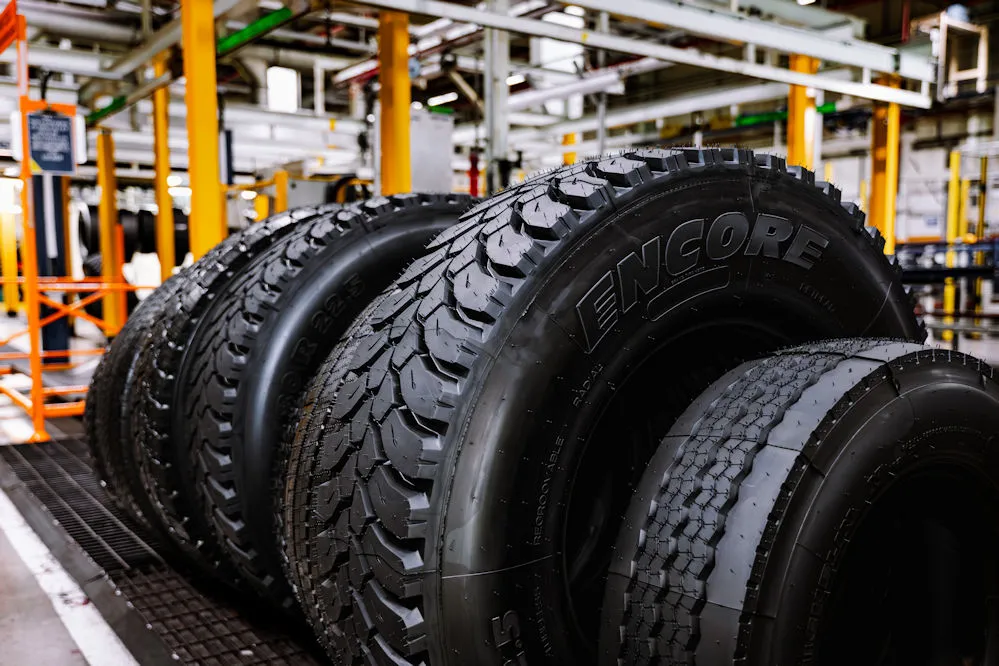
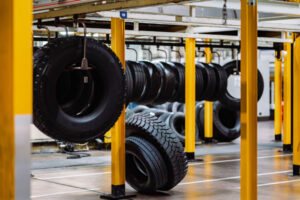
Michelin’s approach – almost all its truck and bus tyres are retreadable – sees tyres regrooved once the tread depth reaches 3-4mm, helping to extend each casing’s life in its most fuel-efficient state. Once the regrooved fitments have worn, they are retreaded into Michelin Remix tyres or as Encore for third-party casings. This process requires, on average, only 20kg of raw materials to be added to the worn casing, compared with around 70kg of materials per new tyre.
“The process improves fuel economy as the rolling-resistance of regrooved tyres is lower than when new and allied to good tyre-husbandry the multi-life approach can increase tyre longevity by up to 150%,” adds French.
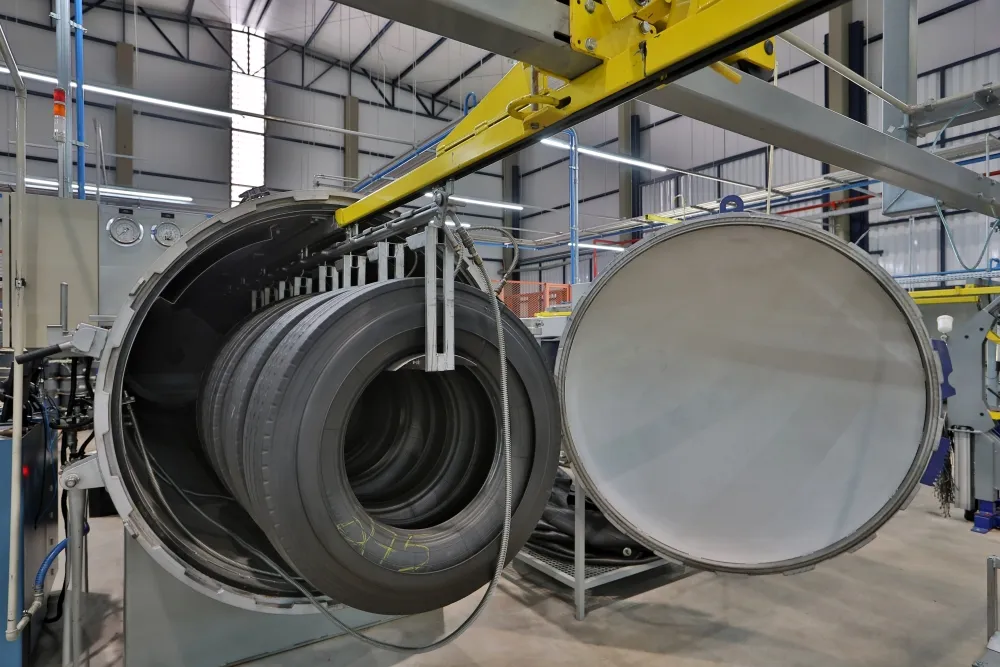
After being remanufactured, all tyres are subject to a final quality inspection which involves inflation to 140psi to confirm the product’s integrity. Those that have had any casing repairs carried out also go through a secondary test, which sees 50,000 Volts passed through the tyre to detect any penetrations to the casing.
Sustainability – a core pillar
Michelin adopted a ‘local to local’ approach in 2024 and is making strong progress towards its ultimate ambition to have every tyre produced in Stoke used within the UK or Ireland. This supports skilled jobs at the site and has reduced CO2 emissions further by cutting the amount of kilometres products travel.
Michelin is also building on its ‘local to local’ approach, and with partner Murfitts Industries will open the UK’s first end-of-life material reclamation plant at the Stoke retreading plant later this year. The tyre pyrolysis process used will generate energy that will be used to power Michelin’s production site, thereby lowering CO2 emissions from the plant by 1,500 tonnes per year. In addition to the energy, the approach will produce recovered carbon black, which can be used for a wide range of products, including new tyres, reducing the need for virgin material.